
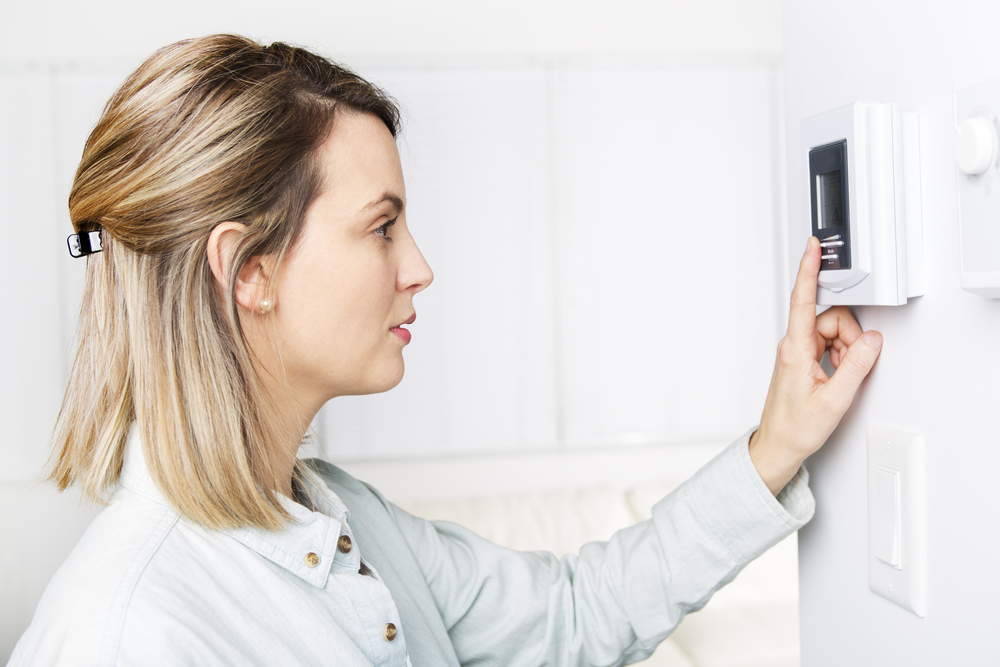
Heat pumps are designed to handle both cooling and heating, which usually makes them a dependable year-round comfort system for homes in Lynchburg, VA. Of course, like any other piece of equipment, problems can occasionally arise, like when the system seems to be stuck in cooling mode even as the temperatures drop.
If your heat pump won’t switch to heating mode, don’t panic: there are several likely causes, and the technicians at Hickey Plumbing, Air & Electrical are here to break down what’s happening behind the scenes. We’ll also help you understand which steps to take next to restore comfort to your home.
How a Heat Pump Switches Between Cooling and Heating
A heat pump doesn’t “create” heat the way a furnace does. Instead, it transfers heat from one place to another. In cooling mode, it pulls heat from inside your home and releases it outdoors. In heating mode, it pulls heat from the outdoor air and moves it inside (yes, even when it’s chilly outside, there’s still heat energy available).
The key to switching modes is a component called the reversing valve. When the thermostat calls for heat, the heat pump energizes the reversing valve (in most systems), which changes the direction the refrigerant travels through the coil. That swap is what allows the same system to heat or cool your home.
A few other parts help the system make the switch smoothly:
- The Thermostat and Control Board: These components tell the system which mode to run and when.
- The Temperature Sensors: These sensors help regulate operation and prevent damage (especially in colder conditions).
- The Defrost Control: This part of the system prevents the outdoor coil from icing over in the winter.
- Auxiliary/Emergency Heat: Some systems have a furnace that provides backup heat when outdoor temperatures drop extremely low and the heat pump can’t keep up.
When something in this chain isn’t working correctly, your heat pump may struggle to change from cooling to heating.
The Most Common Reasons Your Heat Pump Won’t Switch to Heating Mode
If the mornings are starting to feel crisp and your heat pump won’t switch to heating, the problem usually boils down to one of these culprits:
Incorrect Thermostat Settings
Before assuming something major is wrong, start with the basics:
- Confirm the thermostat is set to HEAT (not COOL or AUTO).
- Increase the set temperature by 3-5 degrees to trigger a heating demand.
- If you have a programmable thermostat, make sure the schedule didn’t switch you to a cooling setting.
- Check the fan setting — AUTO is usually best. (Fan “ON” won’t stop heating, but it can make the air feel cooler if the system isn’t actually heating.)
- If your thermostat takes batteries, replace them. Low power can cause strange behavior, including a failure to switch from cooling to heating.
Thermostat Wiring or Compatibility Problems
If you recently replaced your thermostat or had electrical work done, incorrect wiring can prevent signals from reaching the heat pump. Heat pumps also require specific wiring terminals (like O/B for the reversing valve). If the thermostat isn’t configured for a heat pump system, it may send the wrong signal.
This is especially common when a standard thermostat is installed on a heat pump, or when the O/B setting is flipped (some systems energize the reversing valve in cooling, others in heating). The result can feel like the unit is stuck in the wrong mode.
Reversing Valve Issues
Since the reversing valve controls whether the system heats or cools, it’s a prime suspect for problems related to mode switching. The valve can fail mechanically, become stuck, or develop an electrical issue with the solenoid coil that energizes it.
Signs that can point to a reversing valve problem include:
- The system runs, but the air coming out is cool when it should be warm.
- You hear unusual hissing or changes in sound when the system tries to switch.
- The unit seems “locked” into one mode, no matter what the thermostat is set to.
Because the reversing valve is part of the sealed refrigerant system, it takes specialized tools and training to diagnose correctly. Make sure you call a professional technician for an expert heating repair.
Defrost Cycle Confusion
Heat pumps periodically enter a defrost cycle to melt ice from the outdoor coil. During the defrost mode, the system may temporarily produce cooler air indoors for a short period.
Normally, you’ll only experience this briefly — often a few minutes — and auxiliary heat may kick on to keep you comfortable. But if the defrost control board or sensors malfunction, your system can behave oddly, including appearing to switch modes at the wrong time or not switching back properly.
Sensor Problems
Heat pumps rely on sensors to regulate temperature, protect components, and manage defrost. If a sensor is dirty, damaged, misreading conditions, or disconnected, it can interfere with mode switching.
For example, a faulty outdoor temperature sensor can cause the system to make poor decisions about when to run the heat pump versus auxiliary heat or trigger unnecessary defrost behavior. In some cases, the system may shut down heating altogether to prevent potential damage.
Electrical or Control Board Failures
Your heat pump has a control board that receives thermostat signals and coordinates the system’s response. If there’s an electrical issue (like a blown fuse, failed relay, loose connection, or failing board), the unit may run the outdoor/indoor components but ignore the heat request. Sometimes, homeowners notice this as “it runs, but it never warms up,” or “it only cools no matter what.”
Low Refrigerant or Airflow Problems
While low refrigerant doesn’t exactly “lock” the system into cooling mode, it can keep the heat pump from producing warm air effectively. Similarly, restricted airflow (a dirty filter, clogged coil, or blocked vents) can cause performance issues that make it seem like the system isn’t heating.
If your heat pump is blowing lukewarm or cool air in heating mode, it might be trying to heat but can’t do it efficiently due to a refrigerant leak, airflow restriction, or coil issue.
You can often resolve airflow issues with these steps:
- Replace the air filter if it’s dirty.
- Ensure vents are open and unobstructed.
- Make sure the outdoor unit isn’t buried in leaves or debris (give it breathing room).
If these steps don’t restore your system’s heating ability, you will want to have it checked by a qualified technician for a refrigerant leak.
Why You Should Call a Professional for Heat Pump Problems
If you’ve checked your thermostat settings, changed the filter, and confirmed your breaker hasn’t tripped, but the system still won’t switch to heating mode, it’s time to bring in a pro.
With a professional heating company handling your system, you can enjoy a range of benefits:
- An Accurate Diagnosis Saves Money: Heat pump problems can look similar without a trained eye. A technician, however, can pinpoint whether it’s a thermostat issue, reversing valve trouble, a defrost control problem, or something else.
- Protecting the System Prevents Bigger Repairs: Continuing to run a heat pump that’s malfunctioning can strain components and lead to more expensive damage over time.
- Refrigerant and Electrical Work Require Expertise: These are not safe DIY projects. Handling refrigerant requires certification, and electrical troubleshooting should be done by trained professionals to avoid hazards.
- Comfort and Safety Come First: If your home isn’t heating properly, indoor temperatures can drop quickly. Getting help sooner can prevent a stressful situation.
Restore Your Heat Pump System’s Performance
If your heat pump won’t switch to heating mode, Hickey Plumbing, Air & Electrical is here to troubleshoot the problem and get your comfort back on track. Our technicians arrive promptly, offer honest recommendations, and provide upfront pricing so you know exactly what to expect.
Ready to get the heat back? Schedule a heat pump repair service with our professionals today and enjoy reliable heating all season long.