
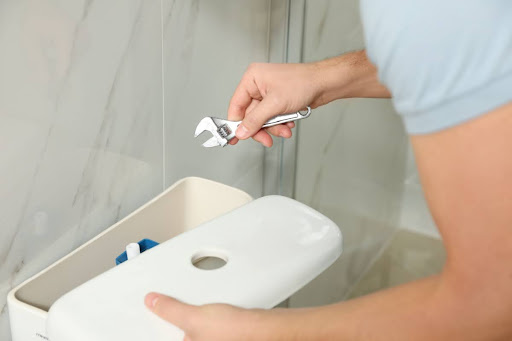
That persistent sound of water running in your bathroom can drive anyone up the wall. You jiggle the handle, peek inside the tank, and still hear that annoying trickle that seems determined to keep going all night long.
A toilet that won’t stop running is one of the most common plumbing headaches homeowners face, but the good news is that many of these issues have straightforward solutions.
Hickey Plumbing, Air & Electrical is here to walk you through the usual culprits behind a toilet that keeps running, the easy troubleshooting steps you can take, and when to call in our pros for assistance. We offer a full range of plumbing services, including toilet repair and replacement. So, whatever the reason for your running toilet, we can provide a solution. Now, let’s dive into the common causes of that insufferable sound.
The Gist on How a Toilet Works
Before diving into what goes wrong, let’s take a quick look at how your toilet actually functions.
When you press the handle, it lifts a rubber seal called the flapper at the bottom of the tank. This allows water to rush into the bowl, creating the flush. As the tank empties, the flapper falls back into place, sealing the opening. A fill valve then senses the low water level and refills the tank, lifting a float until the water reaches a preset level, shutting off the flow. When any part of this cycle is interrupted, the result is a toilet running nonstop.
Common Reasons a Toilet Keeps Running
Worn Flapper
The flapper is the gatekeeper between the tank and the bowl. Over time, the rubber can decay, warp, or accumulate mineral deposits, preventing it from creating a perfect seal. This allows water to leak slowly from the tank into the bowl, causing the fill valve to kick on repeatedly to refill the lost water.
Faulty Fill Valve
The fill valve, or ballcock, is responsible for refilling the tank after a flush. If this component is broken or misaligned, it might not shut off when the water reaches the correct level. Instead, it will continue to send water into the tank, which then drains into the overflow tube, creating a constant running sound.
High Water Level
The overflow tube acts as your tank’s safety drain. If the water level climbs too high, it will pour into this tube and down into the bowl, producing that constant running sound. This issue usually points to the float on the fill valve being set incorrectly. For proper operation, the water level should stop about an inch below the top of the overflow tube.
Mineral Buildup
Hard water leaves behind calcium and lime deposits that can interfere with your toilet’s moving parts. These mineral deposits can coat the flush seat where the flapper sits, preventing a tight seal. They can also clog the small holes around the rim of your toilet bowl or affect the fill valve’s ability to shut off properly. After a while, this buildup becomes thick enough to disrupt the normal flushing cycle.
Troubleshooting Steps to Follow Before Calling a Plumber
Before you pick up the phone, a few quick checks might solve the problem. These simple inspections can often pinpoint the source of the issue.
- Check the Flapper Chain: A chain that is too long can get caught under the flapper, while one that is too short will prevent it from closing all the way. Look inside the tank to see if the chain has the right amount of slack, about half an inch.
- Examine the Flapper Seal: Gently press down on the flapper with a stick or your hand. If the running sound stops, the flapper is likely the culprit and needs to be replaced.
- Adjust the Float: Your tank’s water level is controlled by the float. If the water is spilling into the overflow tube, you may need to adjust the float arm or the fill valve’s height adjustment screw to lower the water level.
Signs You Need to Bring in the Experts
Some toilet issues point to deeper problems that are best left to a professional. If you spot these signs, it’s a good idea to reach out for assistance.
- Persistent Ghost Flushing: If your toilet seems to flush on its own at random intervals, you likely have a slow leak that is difficult to detect. A professional can identify the source quickly.
- Water on the Floor: A puddle around the base of the toilet indicates a problem with the wax seal or a crack in the porcelain. This requires immediate attention to prevent water damage to your floor.
- The Problem Continues After DIY Fixes: You’ve replaced the flapper and adjusted the float, but the toilet keeps running. A professional plumber has the tools and experience to diagnose complex issues.
- Loud or Strange Noises: Hissing, gurgling, or whistling sounds coming from the toilet’s tank or pipes could indicate a problem with water pressure or a failing fill valve.
How to Prevent Future Toilet-Running Issues
Regular upkeep helps your toilet work the way it should. Swapping out the flapper every few years, checking the fill valve for wear, and clearing away mineral buildup can stop small issues from turning into bigger problems. Watching the water level in the tank also prevents overflow and waste. For added reassurance, schedule routine inspections with a plumber who can catch hidden concerns early and keep your system running reliably.
Toilet Acting Up? Contact Our Lynchburg Pros for Repair!
You don’t have to live with the irritating sound and wasted water of a running toilet. The team at Hickey Plumbing, Air & Electrical is ready to restore tranquility and function to your bathroom. We bring skill and a commitment to quality to every job. So, if your DIY fixes didn’t work and you want to stop that annoying running sound for good, reach out to our team right away! Your sanity and your water bill will thank you!